


plusgame | The Art of Strategy: Navigating the World of Strategy Games
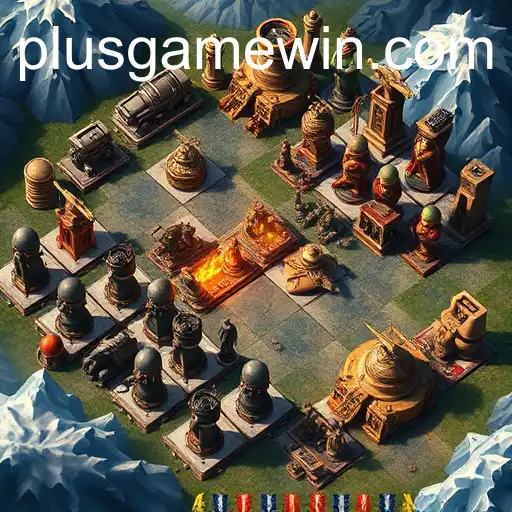
In the digital age, strategy games have emerged as a formidable genre that challenges players to think critically, plan ahead, and engage in complex problem-solving. Often described as the chess of the digital world, strategy games demand a high level of cognitive engagement, offering both casual gamers and hardcore enthusiasts a platform to demonstrate their tactical prowess. The category of strategy games includes both real-time strategy (RTS) and turn-based strategy (TBS) games, each with its own unique set of challenges and opportunities. Websites dedicated to gaming often tag these as 'plusgame', signaling a premium segment of games that offer deep, enriched gameplay experiences.
Real-time strategy games place players in an ever-evolving scenario where they must make quick, yet impactful, decisions to outmaneuver their opponents. Games like StarCraft, Age of Empires, and Command & Conquer epitomize the RTS genre, requiring players to balance resource management with military strategy in real-time. The real-time element adds a layer of urgency, forcing players to think on their feet and adapt to changing situations swiftly. On the other hand, turn-based strategy games like Civilization and XCOM allow players the luxury of time, where each move can be pondered, calculated, and optimized for the best possible outcome. This allows for a more methodical approach to strategy, where players can delve deeply into the intricacies of their decisions.
The popularity of strategy games can be attributed to their ability to simulate complex scenarios that mirror real-world challenges, requiring similar strategic thinking and planning skills. Moreover, the rise of eSports and competitive gaming has breathed new life into this genre, as players worldwide pit their strategies against one another for prestige and prizes. As technologies and game design philosophies continue to evolve, the strategy game sphere expands, creating sub-genres and hybrid models that push the boundaries of what strategy games can be.
For gamers looking to immerse themselves in a comprehensive gaming experience, the 'plusgame' tag on strategy games indicates a highly-recommended choice that promises depth, replayability, and intellectual challenges that few other game genres can match. Indeed, whether commanding armies in a virtual battlefield or managing the growth of a civilization over eons, strategy games provide an unparalleled sense of accomplishment and engagement.
